


Tax Day Countdown and Important Tax Deadlines!
Learn moreBalance Sheet vs Income Statement: Key Financial Insights
Understanding Balance Sheets and Income Statements
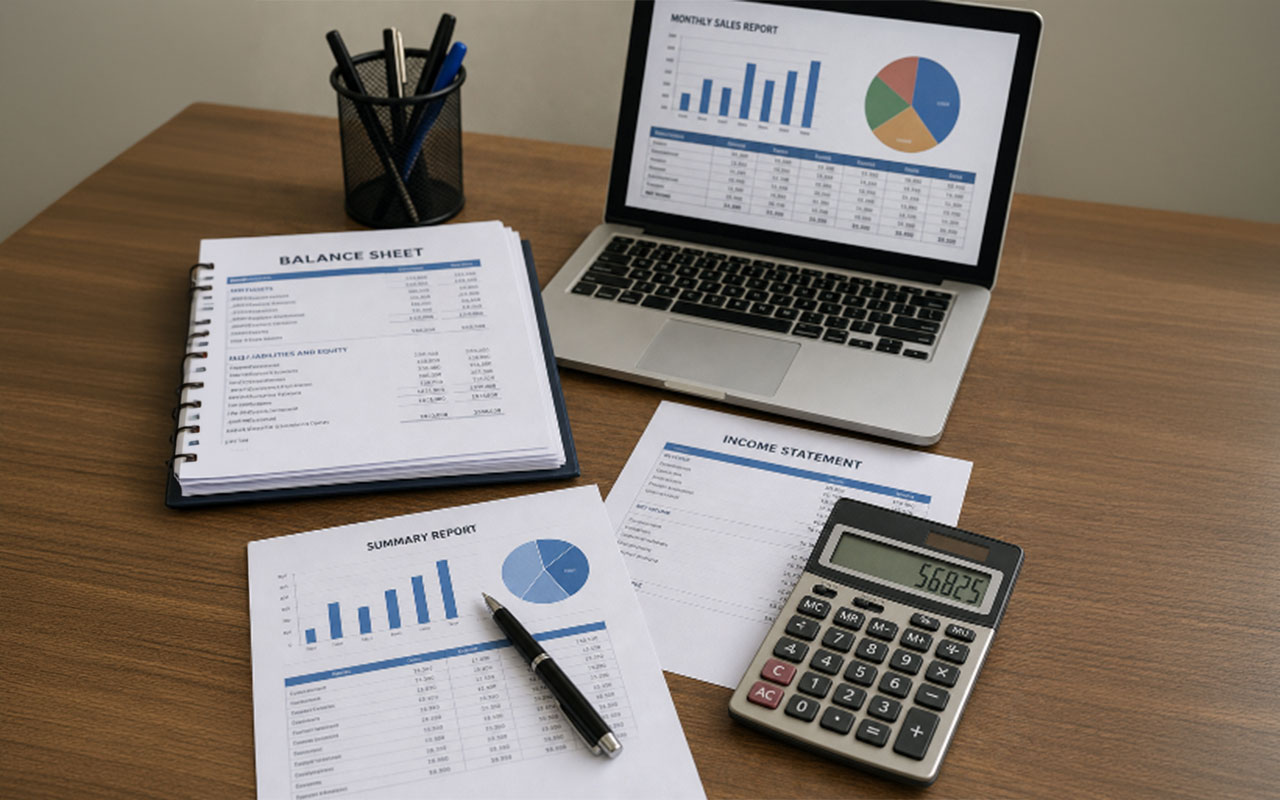
Financial statements are the core reports a business uses to explain its performance, position, and cash movement. The balance sheet and income statement are two of the most important because they show what a company owns, owes, earns, and spends. Once you understand how they connect, it becomes much easier to evaluate a business financial statement, prepare reports, and make better decisions.
What is meant by financial statements?
Financial statements are organized accounting reports that summarize the financial activity and condition of a business. If you have ever wondered, “what is the meaning of financial statement?” the simplest answer is this: it is a formal snapshot or summary of business money, usually prepared for owners, managers, lenders, investors, or tax and compliance purposes.
The term can refer to the three main financial statements most people use day to day: the income statement, balance sheet, and cash flow statement. You may also hear these called the three financial statements, 3 financial statements, 3 accounting statements, or three accounting statements. In a fuller reporting package, accountants often refer to the 4 basic financial statements, 4 financial statements, four financial statements, four primary financial statements, or 4 financial statements in order.
Those four are usually:
1. Income statement, also called a profit and loss account, showing revenue, expenses, and profit or loss.
2. Statement of retained earnings, showing how profits are kept in or distributed from the business.
3. Balance sheet, showing assets, liabilities, and equity at a specific point in time.
4. Cash flow statement, showing how cash moved through operating, investing, and financing activities.
This order of financial statements matters because each report feeds into the next. If asked to describe the order in which a company prepares financial statements, start with the income statement, move to retained earnings or equity changes, then prepare the balance sheet, and finish with the cash flow statement.
The balance sheet shows financial position
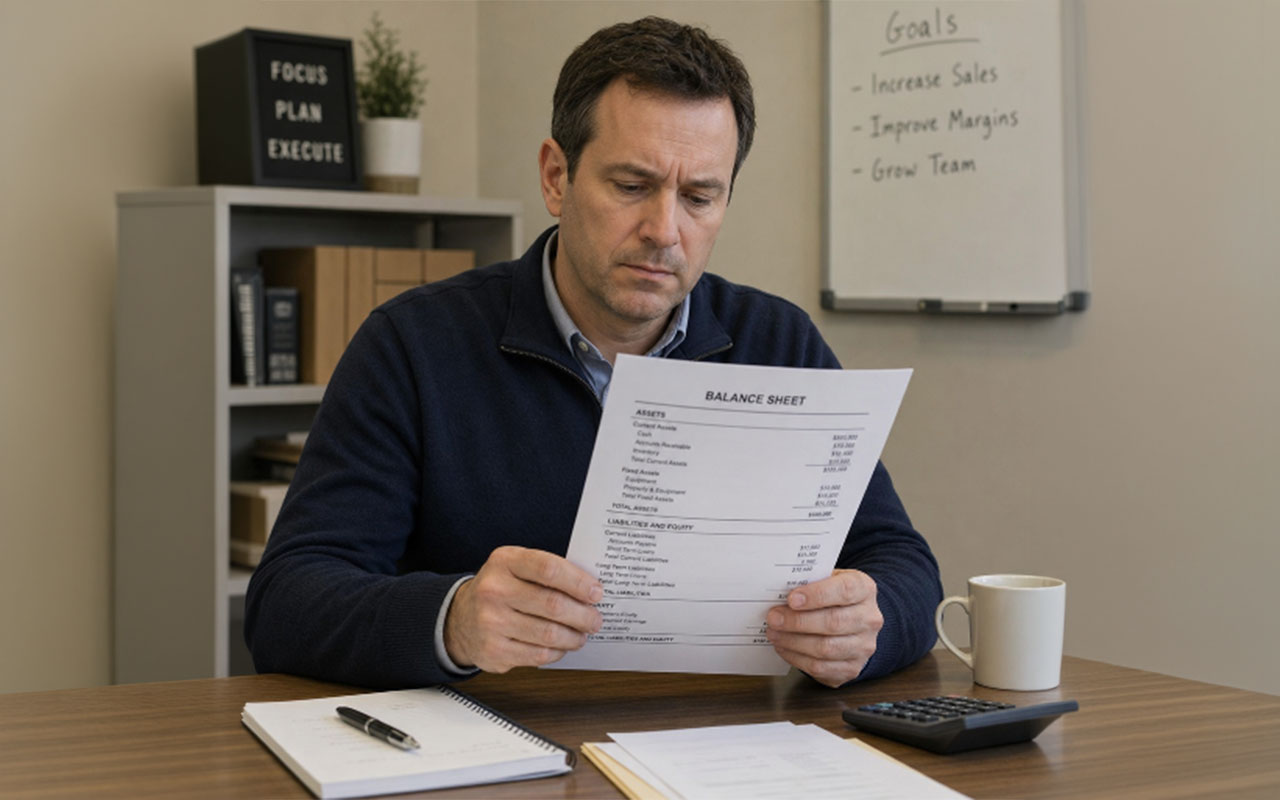
A balance sheet reports what a business owns and owes on a specific date. It is built around the accounting equation: assets equal liabilities plus equity. Unlike an income statement, which covers a period of time, the balance sheet is a point-in-time report.
Assets may include cash, accounts receivable, inventory, equipment, or property. Liabilities may include loans, credit cards, unpaid bills, taxes payable, or wages owed. Equity represents the owner’s remaining claim after liabilities are subtracted from assets.
A simple financial statement format for a balance sheet may include:
● Assets: cash, receivables, inventory, fixed assets
● Liabilities: payables, short-term debt, long-term loans
● Equity: owner investment, retained earnings, current-year profit or loss
If you are looking for a sample balance sheet and income statement, remember that the balance sheet should “balance.” Total assets should equal total liabilities plus equity. If they do not, something is missing, duplicated, or classified incorrectly.
The income statement explains performance
The income statement shows whether a business made or lost money over a period such as a month, quarter, or year. It is also known as a profit and loss statement, profit and loss account, or P&L. When people compare a profit and loss account and balance sheet, they are usually comparing performance over time with financial position at one date.
A basic income statement includes revenue, cost of goods sold, gross profit, operating expenses, and net income. Service businesses may not have inventory or cost of goods sold, while product-based businesses usually do. Either way, the goal is to show how sales turn into profit after expenses.
Income statement and balance sheet examples often work best when read together. For example, an income statement may show strong profit, while the balance sheet may reveal that customers have not paid yet. In that case, the company may look profitable but still have cash pressure.
Balance sheet vs income statement: what is the real difference?
The balance sheet vs income statement difference comes down to timing and purpose. The income statement explains activity over a period, while the balance sheet shows financial condition on a specific date. One answers “How did the business perform?” and the other answers “What does the business have and owe now?”
Think of the income statement as the story of the month or year. It shows sales, expenses, and profit. Think of the balance sheet as the ending scene. It shows the result of all past activity in assets, debts, and ownership value.
When reviewing the balance sheet and income statement together, look for connections:
● Profit should affect equity. Net income usually increases retained earnings or owner’s equity.
● Sales may affect receivables. Higher revenue can create higher accounts receivable if customers have not paid.
● Expenses may affect liabilities. Bills recorded but not yet paid can appear as accounts payable.
● Loan payments affect both reports. Interest appears on the income statement, while principal reduces liabilities on the balance sheet.
This is why the phrase balance sheet vs income statement should not imply that one is more important. They answer different questions, and both are needed to understand a business.
Cash flow completes the picture
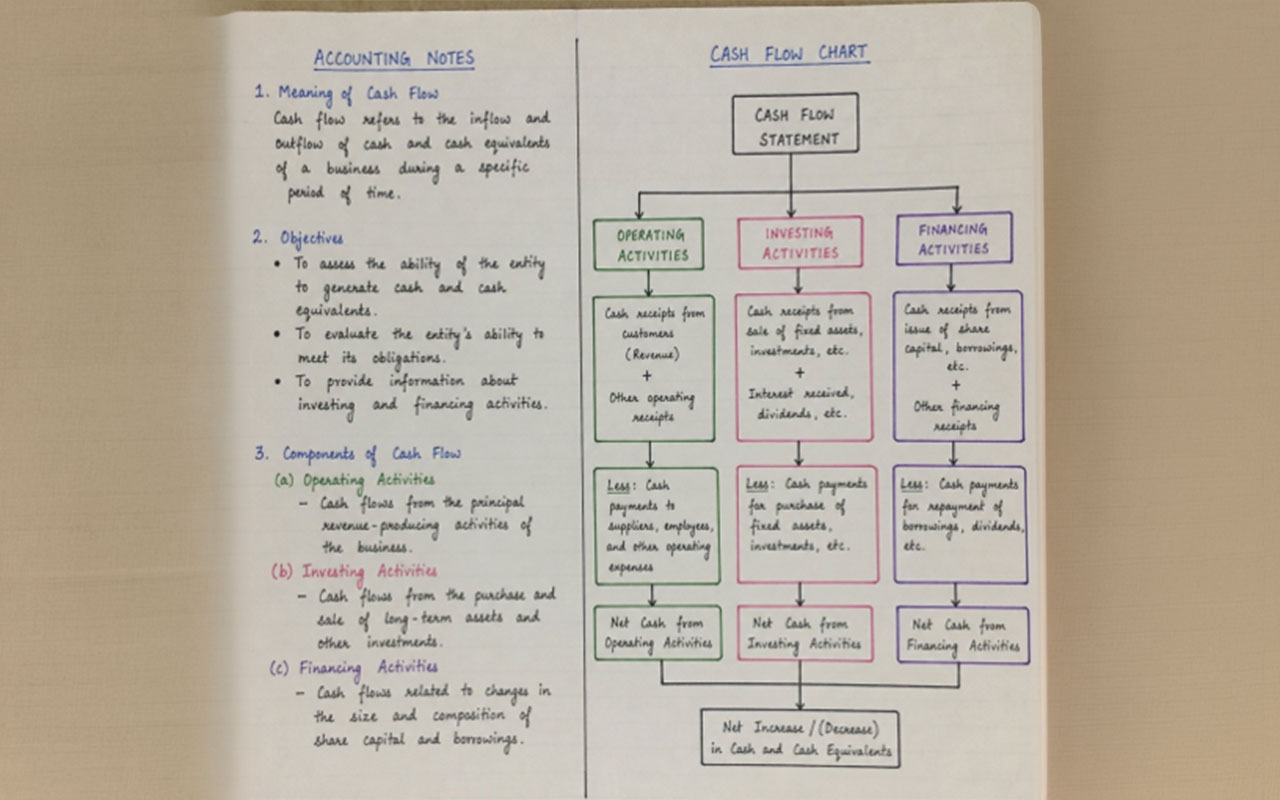
Income statement vs cash flows is another common comparison. The income statement records revenue and expenses under accounting rules, while the cash flow statement focuses on actual cash coming in and going out. A business can be profitable on paper and still short on cash if customers pay slowly, inventory is high, or debt payments are due.
The cash flow statement vs income statement comparison is especially useful for owners who want to know whether profit is turning into usable money. Cash flow separates activity into operating, investing, and financing categories. This helps explain whether cash came from daily operations, asset purchases or sales, loans, or owner contributions.
For a complete view, many businesses review the profit and loss balance sheet and cash flow together. The income statement shows profitability, the balance sheet shows stability, and the cash flow statement shows liquidity.
How do you make a financial statement?
To make a financial statement, start with accurate bookkeeping and organize transactions into the correct accounts. Then prepare reports in the proper order so ending balances flow correctly from one statement to the next. This is the practical answer to both how do you make a financial statement and how to create a financial report.
A basic process looks like this:
1. Gather source records. Collect bank statements, invoices, receipts, payroll records, loan statements, and sales reports.
2. Categorize transactions. Assign each transaction to revenue, expense, asset, liability, or equity accounts.
3. Reconcile accounts. Match accounting records to bank and credit card statements.
4. Prepare the income statement. Calculate revenue, expenses, and net income.
5. Update equity or retained earnings. Reflect profit, losses, owner draws, or distributions.
6. Prepare the balance sheet. Confirm assets equal liabilities plus equity.
7. Prepare the cash flow statement. Explain changes in cash during the period.
8. Review for reasonableness. Look for negative balances, duplicate entries, missing liabilities, or unusual changes.
What does a financial statement look like? In most cases, it is a clean report with a business name, report title, date or period, account categories, line-item amounts, subtotals, and final totals. The best reports are not overly complicated; they are consistent, complete, and easy to compare over time.
How to read financial statements with confidence
Learning how to read financial statements starts with reading them in the right order and asking practical questions. Begin with the income statement to see whether the business is profitable. Then review the balance sheet to understand assets, debts, and equity. Finally, study the cash flow statement to see whether profit is becoming cash.
Use this quick checklist when reviewing a financial report:
● Revenue trend: Are sales growing, shrinking, or staying flat?
● Expense control: Are costs rising faster than revenue?
● Profit quality: Is net income supported by cash collection?
● Debt level: Can the business manage its short-term and long-term obligations?
● Working capital: Are current assets enough to cover current liabilities?
● Cash movement: Is cash generated from operations or mainly from borrowing?
● Consistency: Are categories used the same way each period?
Knowing how to read a financial report is less about memorizing accounting terms and more about spotting relationships. If profit rises but cash falls, investigate receivables, inventory, loan payments, or owner withdrawals. If assets increase but debt rises faster, the business may be growing with more risk.
The key takeaway for business owners and readers
The balance sheet, income statement, and cash flow statement work best as a set. The income statement shows whether the business earned a profit, the balance sheet shows what the business owns and owes, and the cash flow statement shows whether money actually moved in a healthy way.
Whether you call them the three main financial statements, the four primary financial statements, or simply financial statements, their purpose is the same: to make business performance easier to understand. Read them together, keep the format consistent, and use them as decision-making tools rather than paperwork to file away.